
The South African rand jumps around every day, and these days, anyone with a decent internet connection and a smartphone can join in. Currency trading isn’t some distant, exclusive world anymore; it’s right here, open to regular people.
At first, the idea of trading currencies feels intense. The numbers are huge; trillions of dollars move every day, and headlines from across the globe can send prices flipping in seconds. But here’s the thing: For South Africans, trading currencies isn’t just for bankers in New York or London. The rise of fast internet, mobile apps and smarter trading platforms means anyone can jump in.
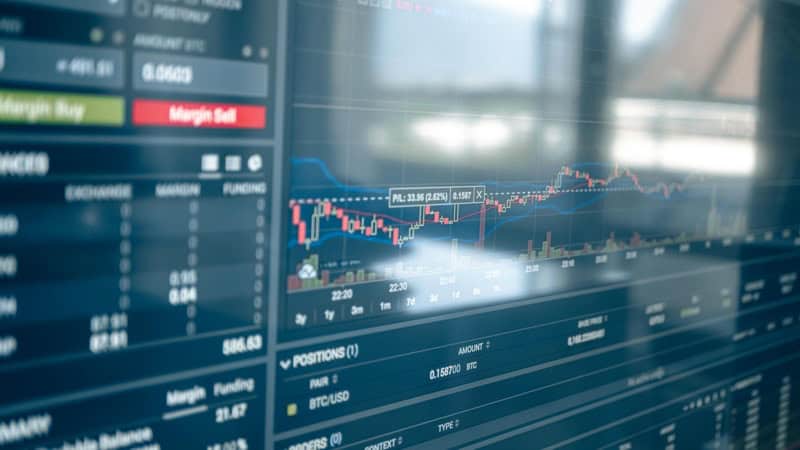
So, what’s actually going on here? This article walks you through how the currency market works, how South Africa fits into it and what it’s really like for everyday traders to get involved.
Table of Contents
What actually happens in the currency market?
At its simplest, the currency market (or forex) is just about swapping one currency for another. You’re not collecting cash for fun, you’re betting on whether the rand will get stronger or weaker compared to another currency.
Currencies always come in pairs. Take USD/ZAR: That’s how many rand you need to buy one US dollar. This is what currency trading South Africa is in a nutshell: Think the dollar’s going up against the rand? Buy the pair. Expect the opposite? Sell it.
There’s no single big “forex exchange” like you get with stocks. Instead, it’s this huge, global web; banks, trading platforms and financial institutions all dealing with each other directly. That’s why forex runs 24 hours a day, five days a week.
South Africa’s role in the mix
People don’t always realise it, but South Africa actually matters in global forex. The rand is one of the world’s most traded emerging market currencies. Why? It’s liquid, it moves a lot and global investors keep an eye on it.
When the world feels optimistic, money often pours into places like South Africa. If nerves hit, the rand can nosedive fast. Local stuff matters too: The Reserve Bank’s interest rate calls, inflation numbers, power cuts and politics, they all shake up the rand.
For retail traders, all this movement cuts both ways. Big swings mean more chances to win, but also more ways to lose if you don’t manage your trades carefully.
How retail traders get in
You’re not calling up big banks to trade. Instead, you go through online brokers. These brokers open the door to the currency market using trading platforms. That’s your entry point.
Once you’ve signed up, you can use something called leverage. Basically, it lets you control a bigger trade with a smaller amount of cash. For example, with 1:100 leverage, R1,000 suddenly lets you trade R100,000 worth of currency. Sounds exciting, right? Just remember, it can just as easily make your losses bigger as your wins.
Modern trading is all about speed and data. Platforms execute trades in milliseconds, charts flash real-time prices and all sorts of tools are built in to help you make sense of the chaos.
How technology changed the game for currency traders
Tech has flipped retail trading upside down. These days, you can check the forex markets on your phone while waiting for your coffee. Algorithms run the numbers, cloud servers keep things fast and trading apps are built for mobile from the ground up.
Traders lean hard on automation now. Technical indicators, AI tools and automated strategies help them catch trends before they’re obvious. Platforms sync up with economic calendars, so you don’t miss a beat when US inflation data or the latest South African interest rate news drops.
Security matters, too. The best platforms lock things down with encryption, split up client accounts and follow strict compliance rules. If you’re in South Africa and you’ve seen the rise in online scams, you know why digital trust really matters.
Why multi-asset platforms are taking over
Most people start with forex, but hardly anyone stops there. Now, you can trade gold, oil, global indices and crypto, all from the same account. That’s a big deal. Currencies don’t move in a vacuum; gold affects the rand, oil hits inflation and fuel costs and the big US indices can tip you off about global sentiment.
South African trading platforms know this. They offer everything on one dashboard; gold, oil, crypto and indices. They make withdrawals fast, offer swap-free trading for those who want it and keep customer support running around the clock.
Regulation and what South African traders need to watch
Regulation is a big deal here. The FSCA (Financial Sector Conduct Authority) keeps an eye on brokers and tries to protect everyday traders from shady practises. If your broker is FSCA-regulated, that’s a good sign. It won’t erase all the risks, but it does mean they have to meet standards for transparency, fund safety and dealing with complaints.
Still, don’t just trust the badge. Dig into the platform’s stability, check their fees and see what their customer support is like. In a fast-moving market, the tech powering your trades matters just as much as the rules behind the scenes.
Facing risk and reality as a retail trader
Forex trading isn’t some magic money machine, no matter what Instagram says. The real story is about long learning curves, tough emotions and taking losses along the way.
Especially in South Africa, where the economy can feel uncertain, you’ve got to come in with clear expectations. Yes, tech gives you access. But discipline decides what you get out of it.